Stoke Newington gardeners Clissold Park verge and border care
If you are looking after a verge or border near Clissold Park, you already know the difference a tidy edge makes. It is not just about looking neat on a Saturday morning, though that helps. Good Stoke Newington gardeners Clissold Park verge and border care keeps planting healthy, improves sightlines, reduces mess along paths, and makes a space feel cared for rather than left to drift.
That sounds simple, but in practice it can be a bit fiddly. Verge and border care sits right between horticulture and presentation. You are dealing with grass creep, compacted soil, trampling, litter, seasonal dieback, and the occasional overenthusiastic plant that decides to wander off. The good news? With the right approach, these spaces can stay attractive, resilient, and much easier to maintain over time.
This guide breaks down what verge and border care actually involves, how local gardeners approach it, what benefits to expect, and where people often go wrong. It is written for property owners, managers, residents, and anyone who wants a practical, realistic view of the work. No fluff, no dramatic claims. Just solid guidance you can use.
Table of Contents
- Why Stoke Newington gardeners Clissold Park verge and border care Matters
- How Stoke Newington gardeners Clissold Park verge and border care Works
- Key Benefits and Practical Advantages
- Who This Is For and When It Makes Sense
- Step-by-Step Guidance
- Expert Tips for Better Results
- Common Mistakes to Avoid
- Tools, Resources and Recommendations
- Law, Compliance, Standards, or Best Practice
- Options, Methods, or Comparison Table
- Case Study or Real-World Example
- Practical Checklist
- Conclusion
- Frequently Asked Questions
Why Stoke Newington gardeners Clissold Park verge and border care Matters
Verge and border care matters because these are the spaces people notice first. A front verge, a park-facing border, or a narrow strip beside a path can change the whole feel of a property or shared space. When it is well kept, the area looks calm, open, and intentional. When it is neglected, even a beautiful planting scheme can start to feel messy fast.
In a place like Stoke Newington, where streets and green edges are often closely observed, that visual impression carries weight. People walking by may not know the name of a shrub, but they will notice if grass has crept over the edging, if dead stems are left hanging through winter, or if the soil has become bare and weedy. Little things, really. But little things matter.
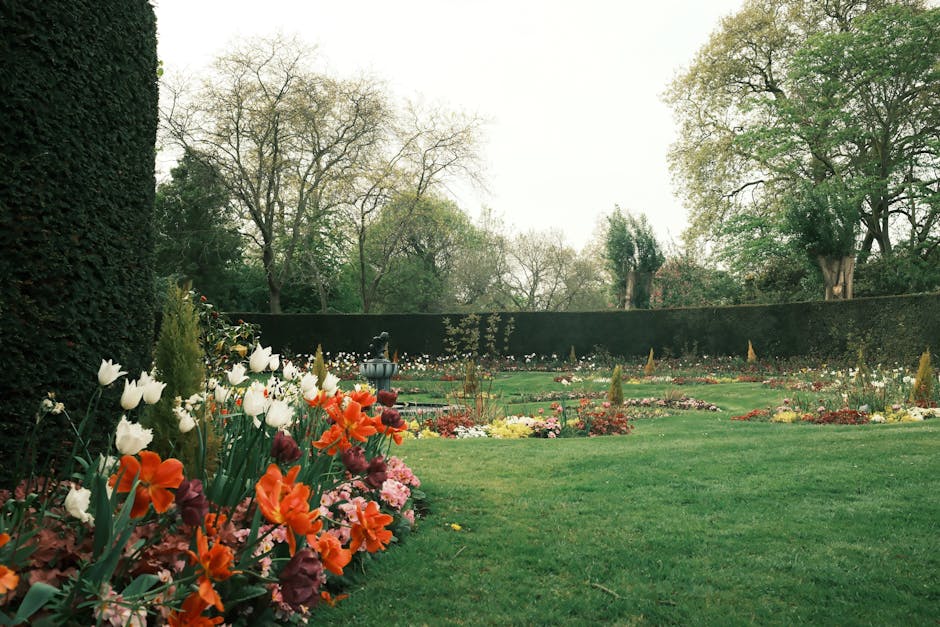
Clissold Park itself gives a useful reference point for good public-facing planting: clear structure, seasonal interest, and enough resilience to cope with footfall, weather, and everyday wear. Verge and border care in the surrounding area often needs the same mix of durability and detail. The aim is not perfection. It is consistency.
Expert takeaway: the best verge and border care protects plant health, preserves shape, and reduces long-term maintenance. That is why competent gardeners focus on routine upkeep rather than occasional rescue jobs.
There is also a practical side. Better verge and border care can reduce trip hazards from uneven edges, keep growth away from paths, and help prevent weeds from gaining a foothold. Once weeds establish in a neglected border, you know how it goes: one week they are background noise, the next they are everywhere. Sneaky little things.
How Stoke Newington gardeners Clissold Park verge and border care Works
Good verge and border care usually combines regular inspection, light maintenance, and seasonal adjustments. It is rarely about one big job. More often, it is a rhythm: inspect, cut back, weed, tidy, mulch, check again.
For a verge, the work typically starts with edges. Clean lines help define the space and stop turf from wandering into borders or paving. On borders, the priority is usually plant structure, soil condition, and weed control. In practical terms, that means gardeners look at what needs trimming, what needs lifting, what needs replacing, and what can be left alone because leaving it alone is actually the right call.
To be fair, not every border needs constant intervention. Some planting schemes look best when they are allowed a little softness. The trick is knowing the difference between graceful growth and neglect. That judgement comes from experience, and it is one reason local gardeners who understand the pace of London gardens are so useful.
Typical care work may include:
- edging verges to keep boundaries crisp
- hand weeding or selective weed removal
- deadheading flowering plants
- cutting back overgrowth at the right time of year
- applying mulch to improve moisture retention and suppress weeds
- checking for compacted soil and poor drainage
- replacing weak or damaged plants where needed
- keeping access points clear and tidy
In many cases, a gardener will also review how the space is used. Is it beside a path where people brush past? Is it a narrow strip that gets full sun and dries quickly? Is there shade from mature trees? Those small site details shape the care plan more than people expect.
See the wider range of garden services available if you want verge and border work to sit within a regular maintenance plan rather than a one-off tidy-up.
Key Benefits and Practical Advantages
Verge and border care delivers more than a neat finish. The strongest benefits are practical, and they tend to compound over time. A well-managed border is easier to maintain next month, next season, and next year. That is where the real value sits.
- Cleaner kerb appeal: A tidy verge frames the property and makes the whole frontage feel cared for.
- Healthier planting: Regular attention keeps stress, crowding, and disease pressure lower.
- Less weed build-up: Early removal is much easier than late-stage clearance.
- Better definition: Strong edges make even small spaces look more purposeful.
- Safer access: Clear borders reduce the chance of overgrowth spilling onto paths or entrances.
- Lower long-term effort: Small maintenance visits are usually easier than big restorative jobs.
There is also a quieter benefit that people sometimes overlook: a tidy, balanced border just feels better to live with. You notice it when you open the curtains on a wet morning and the frontage still looks composed. You notice it when passers-by do not drag debris through the planting because the edges are properly managed.
For shared properties or managed spaces, this can improve resident satisfaction too. Nothing flashy. Just fewer complaints, fewer awkward conversations, and less of that "we really should deal with this" feeling hanging around for weeks.
If budget planning is part of your decision, clear pricing and quote guidance can help you compare maintenance options before committing.
Who This Is For and When It Makes Sense
Verge and border care makes sense for a surprisingly wide range of people. If there is a planted edge, a strip of turf, or a street-facing bed that has to look presentable, this kind of service is relevant.
It is especially useful for:
- homeowners who want a smarter front garden without constant DIY upkeep
- landlords aiming to keep external spaces presentable between tenancies
- managing agents overseeing shared entrances or small communal areas
- small businesses with planted frontage or boundary beds
- community spaces that need practical, ongoing maintenance
- residents close to high-footfall routes where verge wear is common
It tends to make most sense when the space is visible from the street, exposed to regular foot traffic, or already showing signs of decline. If the border is overrun with weeds, the verge has uneven edges, or the planting is losing shape, early intervention saves a lot of time later. Honestly, a little attention now can spare you a fairly annoying overhaul in three months.
It also makes sense after a seasonal reset. Spring and early summer are common times to review borders, but autumn work matters too. That is when many gardeners cut back, tidy structure, and prepare beds for wetter, colder conditions. The exact timing depends on what is planted, and there is no single magic formula.
Step-by-Step Guidance
If you are thinking about verge or border care in a practical way, it helps to break the job into simple stages. This is the kind of work that improves when it is methodical.
- Assess the site properly. Look at sun, shade, soil condition, drainage, access, and where people naturally walk.
- Remove obvious problems first. Clear litter, fallen branches, dead annuals, and any self-seeded weeds that are taking over.
- Define the edges. Recut borders and verge lines so the planting and turf have clear boundaries.
- Weed with judgement. Remove annual weeds early and deal carefully with perennials so roots do not spread back immediately.
- Prune and deadhead. Shape shrubs and herbaceous plants without stripping away all character.
- Improve soil and cover. Add mulch where appropriate to reduce weed pressure and hold moisture.
- Replace weak patches. Fill gaps with suitable plants or turf repairs rather than leaving bare soil exposed.
- Set a maintenance rhythm. Decide what gets checked weekly, monthly, and seasonally.
That last part matters more than it sounds. A border that is visited regularly rarely gets out of hand. A border that is left for months can become a restoration project, and those are never as quick as people hope. Never.
A sensible plan usually includes light visits for tidying and edging, with deeper seasonal visits for cutback, soil improvement, and replanting. If you want support that goes beyond this article, it is worth reviewing the service overview to see how routine care and one-off work can fit together.
Expert Tips for Better Results
Here is where experience makes a real difference. Some verge and border care looks easy from the pavement, but the good results come from small decisions made at the right time.
1. Keep the edge sharp, but not overworked. Recutting borders too aggressively can make them look harsh or damage shallow roots. A clean line is enough. No need to carve the thing like a roast dinner.
2. Match the maintenance to the planting style. Formal borders need more definition. Softer, wildlife-friendly planting may need selective rather than constant cutting back. The point is balance.
3. Mulch at the right depth. Too little and it does not help much. Too much and you can smother crowns or trap moisture where you do not want it. A careful hand pays off here.
4. Watch for compaction. Verge soil near paths, entrances, and parked cars can become hard and tired. If water sits on the surface or roots seem weak, the soil may need improvement rather than just more watering.
5. Revisit after windy weather. In London, a breezy day can scatter leaves, twigs, and debris across a frontage in no time. A quick sweep after rough weather keeps borders from looking forgotten.
6. Use the right plants for the space. If a verge gets kicked, brushed, or walked over, delicate plants are rarely the right answer. Choose hardy, compact species that can cope. Saves trouble later.
If you are comparing providers, it is sensible to look beyond the mowing or pruning itself. Things like insurance and safety and clear working methods matter, especially for visible or shared areas.
Common Mistakes to Avoid
Most verge and border problems do not start with a major failure. They start with a few small habits that go unchecked. These are the ones we see most often.
- Waiting too long between visits: Small weeds become deep-rooted weeds. Then they become a half-day job.
- Cutting everything back at once: It can leave borders flat, exposed, and less resilient.
- Ignoring the soil: A pretty border on poor soil tends to struggle. Plants need more than a tidy haircut.
- Choosing the wrong plant mix: Decorative plants are fine, but only if they suit the site conditions.
- Leaving edges ragged: Untidy borders make the whole frontage feel unfinished.
- Using heavy machinery where hand work is better: On narrow verges or delicate beds, a gentler touch is usually wiser.
Another common issue is treating all seasons the same. A spring tidy is not the same as an autumn cutback, and winter work is not the same as summer maintenance. Sounds obvious, but in real life it gets blurred, especially when everyone is busy.
And one more: overwatering. It is easy to think a tired border needs more water, but sometimes the real issue is drainage, shade, or root competition. Watering the wrong problem does not fix it. It just moistens the wrong problem.
Tools, Resources and Recommendations
The best verge and border care usually relies on a mix of hand tools and judgement. There is no magic kit, even if a shiny spade sometimes tries to suggest otherwise.
| Tool or Resource | Best Use | Why It Helps |
|---|---|---|
| Half-moon edging tool | Recutting verge and border edges | Creates cleaner lines and keeps grass from creeping into beds |
| Hand fork | Loosening soil and lifting weeds | Useful for careful work around roots |
| Secateurs | Deadheading and selective pruning | Allows precise cuts without damaging nearby growth |
| Rake or leaf grabber | Removing debris and seasonal leaf fall | Keeps borders tidy without flattening plants |
| Mulch | Protecting soil and suppressing weeds | Improves moisture retention and visual finish |
| Maintenance schedule | Planning repeat visits | Prevents work from becoming reactive and costly |
On the resource side, a good starting point is a clear service breakdown, then practical policies that show how the work is handled. For example, a responsible provider should be able to explain working methods, site safety, recycling, and payment terms in plain English. That is reassuring, and it should be.
You can also review recycling and sustainability practices if you care about green waste handling, and health and safety guidance if the work involves shared access or public-facing areas.
If accessibility matters for your organisation or property users, the site's accessibility statement is worth checking too. Small detail, but important detail.
Law, Compliance, Standards, or Best Practice
For verge and border care, the compliance conversation is usually less about one dramatic rule and more about doing sensible work safely, respectfully, and with proper site awareness. If the area is private, the main concerns are typically safety, access, waste handling, and care not to damage neighbouring boundaries or shared surfaces.
In practice, that means gardeners should:
- work safely around paths, steps, entrances, and traffic-adjacent spaces
- avoid leaving cuttings where they become slip hazards or block access
- handle tools and machinery with care in narrow or public-facing spaces
- dispose of green waste responsibly
- be clear about insurance and liability expectations where relevant
Best practice in London gardens usually means being thoughtful about neighbours too. Overhanging growth, debris drift, and blocked boundaries can cause friction quickly. A bit of routine maintenance avoids the awkward stuff.
For customers, it is fair to ask how a gardener handles safety, complaints, and payment. Reputable providers should have clear, accessible information on these areas, including terms and conditions, payment and security, and a straightforward complaints procedure. That is not overcautious. It is just sensible.
And if you want to understand the business behind the work, it can help to look at about the company information and the privacy policy so you know how your details are handled. Nothing fancy, just good housekeeping.
Options, Methods, or Comparison Table
Not every verge or border needs the same level of intervention. The right method depends on how visible the space is, how fast it grows, and how much ongoing care you want to carry.
| Method | Best For | Pros | Trade-Offs |
|---|---|---|---|
| Light routine tidy | Small borders, tidy frontages, low-to-moderate growth | Fast, affordable, keeps things under control | May not solve deeper soil or planting issues |
| Seasonal reset | Borders with noticeable build-up or end-of-season decline | Refreshes structure and improves appearance quickly | Can be more disruptive if left too long between visits |
| Restorative border care | Overgrown, neglected, or poorly planted areas | Brings a space back from the brink | More time-consuming and usually more expensive |
| Planned maintenance schedule | Shared spaces, visible frontages, recurring verge issues | Predictable, efficient, and easier to budget for | Requires commitment to regular visits |
For most people, a planned maintenance schedule is the sweet spot. It avoids the extremes: no frantic rescue work, no overmanagement. Just consistent attention, which is oddly satisfying once it is in place.
Case Study or Real-World Example
Imagine a narrow frontage near Clissold Park with a small verge, a mixed border, and a path that gets frequent foot traffic. Over time, the grass edge starts to blur into the bed, a few weeds establish around the base of shrubs, and the border loses its shape after a windy spell. Nothing dramatic. But it looks tired.
A sensible gardener would not rush in with heavy pruning. They would start by clearing debris, recutting the edge, removing weeds by hand where possible, and checking whether the soil is compacted. Then they might lightly shape the shrubs, deadhead the tired flowers, top up mulch, and replant one or two gaps with tougher species suited to the site.
What changes? Not just the appearance. The border becomes easier to maintain, the verge reads as a defined space again, and the whole frontage feels calmer. People walking past stop seeing a problem and start seeing a garden. It is a small shift, but a meaningful one.
That is the real point of verge and border care. It is not about chasing a magazine-perfect finish. It is about bringing order, resilience, and a bit of breathing space back into a place that people use every day.
Practical Checklist
Use this checklist if you want to assess whether verge and border care is being done properly:
- Edges are clearly defined and not collapsing into paths or lawns
- Weeds are removed before they become established
- Plants are trimmed with a light, deliberate hand
- Soil is not bare for long periods unless that is intentional
- Mulch is used appropriately and not piled against stems
- Debris and cuttings are cleared away after the work
- Access points remain open and safe
- Seasonal cutback has been timed to suit the planting
- Any damaged or weak plants are replaced promptly
- There is a realistic plan for the next visit, not just the current one
If several of these boxes are being missed, the space probably needs a more structured maintenance plan rather than another quick tidy. That is usually the honest answer.
Get a free quote today and see how much you can save.
Conclusion
Stoke Newington gardeners Clissold Park verge and border care is really about making visible planting work harder for the space it sits in. Good care keeps things neat, healthy, and manageable without stripping away character. It helps small gardens, front verges, and boundary borders feel intentional rather than improvised.
Whether you need light maintenance, a seasonal refresh, or a fuller restoration, the best results usually come from consistent attention and clear expectations. Keep the edges clean, respect the planting, and do the small jobs before they turn into the large ones. That simple approach goes a long way.
If you are ready to improve a verge or border near Clissold Park, the next step is straightforward: look at the space honestly, decide what level of care it needs, and choose a provider who understands both presentation and practicality. That balance matters. Quietly, but a lot.
And if you get it right, the whole frontage just settles. It feels looked after. Which, to be fair, is exactly the point.
Frequently Asked Questions
What does verge and border care include?
It usually includes edging, weeding, pruning, deadheading, seasonal cutback, mulching, and general tidy-up work. For some sites, it also includes soil improvement and plant replacement. The exact mix depends on the space and how it is used.
How often should verge and border care be done?
That depends on growth rate, foot traffic, and how formal the area is. Many spaces benefit from lighter regular visits with deeper seasonal work. If the area is visible from the street, it usually needs more frequent attention than a hidden side border.
Is Clissold Park verge and border care mainly cosmetic?
No, not really. Appearance matters, but the work also supports plant health, access safety, and long-term maintenance. A tidy border is usually easier to manage because problems are caught early.
Can verge and border care help with weeds?
Yes. Regular maintenance makes weed control much easier because weeds are removed before they set seed or spread deep roots. Mulch can also help by reducing bare soil exposure. It is not magic, just very useful.
What is the best time of year for border maintenance?
There is no single best time. Spring is common for recovery and fresh growth, while autumn is often used for cutback and preparation. Summer may need lighter, more frequent tidying, especially in busy or exposed areas.
Do I need a gardener for a small verge?
If the verge is simple and low-maintenance, you may be able to handle it yourself. But if it is visible, overgrown, or awkwardly placed near paths, a professional gardener can save time and give a cleaner result. Sometimes the "small" jobs are the ones that keep coming back.
How do I know if my border needs restoration rather than tidying?
If the border has persistent weeds, sparse planting, poor soil, or no clear structure, it may need restoration. Tidy work alone will not fix the underlying issues. A proper assessment helps decide whether the space needs a refresh or a more substantial reset.
Are there safety concerns with verge work near paths or entrances?
Yes. Cuttings, uneven ground, loose edging, and tools near public-facing areas all need care. Safe working practice is important, especially where people walk close by. Reputable gardeners should be able to explain how they manage that.
How can I compare gardening quotes fairly?
Look at what is included, how often visits happen, whether waste removal is part of the price, and whether the provider explains their process clearly. Cheap quotes can be misleading if they only cover a quick tidy and not the follow-up work that keeps the area in shape.
What should I ask before booking verge and border care?
Ask what the visit includes, how often the work should be repeated, what happens with green waste, and whether the gardener is insured. You can also ask about communication, pricing, and scheduling. Clear answers are usually a very good sign.
Can verge and border care be environmentally friendly?
Yes, it can. Responsible gardening usually includes careful waste handling, sensible plant choices, reduced overuse of chemicals, and maintenance that supports soil health rather than stripping it back unnecessarily. If sustainability matters to you, ask how the work is managed and how clippings are dealt with.
Where can I learn more about the company and its policies?
You can review the about us page for background, the services overview for scope, and policy pages such as terms and conditions, privacy policy, and health and safety policy for practical reassurance.