
Gardeners Stoke Newington: Recycling and Sustainability for Urban Green Spaces
The community of Gardeners Stoke Newington is committed to creating an eco-friendly waste disposal area and a resilient, sustainable rubbish gardening area for neighbours and local green-thumbed residents. This page outlines our targets, practical recycling activities, partnerships and transport plans that reduce carbon, promote reuse, and integrate with the borough's approach to waste separation. As Stoke Newington gardeners and neighbours, our aim is to make reuse, composting and responsible disposal the default across private gardens, allotments and community plots.
Our Recycling Percentage Target and Vision
We have set a clear community recycling percentage target: 65% diversion from landfill by 2030. This target covers garden waste, food scraps, green waste composting, and increased re-use of timber, pots and soil conditioners. By combining kerbside separation, on-site compost hubs and dedicated reuse bays in our eco-friendly waste disposal area, gardeners in Stoke Newington can collectively reach higher recovery levels than borough averages. The target is ambitious but achievable through coordinated collections, community action and regular monitoring.

How the Borough's Waste Separation Helps
The local borough's approach to waste separation—encouraging separate streams for glass, paper, plastics, mixed recycling and food/garden waste—underpins gardeners' efforts. By aligning garden waste sorting with the borough's systems we create efficiencies: fewer contamination rejections, better quality compost, and faster processing at local facilities. Proper separation of green waste from general rubbish is key to maintaining a low-carbon, circular approach in Stoke Newington's green spaces.
Local Transfer Stations and Processing
Gardeners Stoke Newington works with nearby municipal and borough transfer stations for resilient handling of green waste and recyclable materials. Local transfer stations in Hackney and neighbouring boroughs accept segregated garden waste and recyclables, enabling bulk transfer to composting sites, anaerobic digestion plants and material recovery facilities. These transfer hubs reduce vehicle miles and speed up processing, contributing to our low-carbon objectives. Wherever possible we prioritise facilities with high composting standards and clear end-use trails for outputs used in urban horticulture.
Practical Recycling Activities for Gardeners
On a practical level, Stoke Newington gardeners can take part in several recycling activities that feed directly into the sustainable rubbish gardening area:
- On-site composting and Bokashi bins for food and plant waste to produce soil conditioner.
- Separate collection points for plastic pots and trays that are accepted by local recycling schemes.
- Wood and timber reuse stations where untreated wood becomes mulch or raised bed material.
- Seed and tool swap events to extend product life and reduce new purchases.
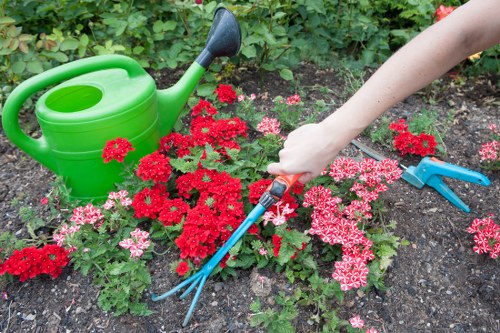
These activities align with the borough's separation rules and help lower contamination rates when materials reach transfer stations. By adopting consistent sorting routines, gardeners in Stoke Newington improve processing outcomes and support a circular urban gardening economy.
Partnerships with Charities and Reuse Organisations
We partner with local charities, community allotments and social enterprises to redirect reusable items and reduce landfill. Collaboration includes donating surplus soil, reusable pots and furniture to charity reuse hubs and working with community groups to run repair and repurpose workshops. These partnerships strengthen social value while reducing waste: charities receive materials for their projects and gardeners gain access to low-cost supplies and volunteer support.
Low-Carbon Transport and Fleet Commitments
Transport is a major factor in waste-related emissions. Gardeners Stoke Newington is transitioning to a fleet of low-emission vans and cargo bikes for collections and transfers. Our plan includes electrified vans and pedal-assist cargo bikes for inner-neighbourhood runs and Euro 6 low-emission vehicles for heavier loads during the transition. The goal is to achieve a fully low-carbon vehicle fleet for garden waste logistics by 2028, cutting transport emissions and keeping local air quality cleaner for everyone.
We also encourage micro-logistics: community pick-up points where volunteers and small electric vehicles consolidate loads to the nearest transfer station, minimising empty runs and increasing collection efficiency.
Creating a Sustainable Rubbish Gardening Area
Our sustainable rubbish gardening area is a dedicated space for processing and reassigning garden-derived materials: compost bays, pallet reuse racks, a clean pot return shelf and a small seedling nursery. Managed hands-on by volunteers and local gardeners, this area ensures materials are reused locally and reduces the need for external inputs. By keeping compost and reclaimed materials in the community, our gardens become more resilient and less resource-intensive.
Reporting Progress and Next Steps
Gardeners Stoke Newington will publish annual reports on recycling rates, highlighting progress toward the 65% recycling target by 2030, fleet decarbonisation milestones and volumes diverted through charity partnerships. Regular community events will focus on practical steps, seasonal priorities and collaboration with borough services to ensure compliance with waste separation standards.
Join us in making Stoke Newington a model for urban, sustainable gardening: reduce, reuse, compost and move to low-carbon logistics so our green spaces thrive without costing the planet.

