Stoke Newington gardeners real cost per visit guide
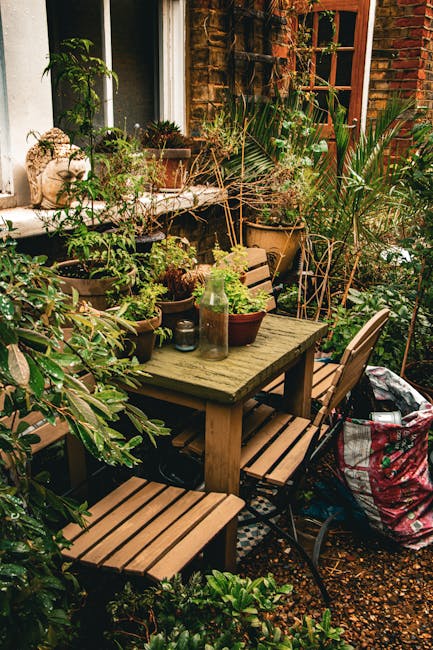
If you are trying to work out the Stoke Newington gardeners real cost per visit guide, you are probably doing the sensible thing: checking what you should actually pay before anyone turns up with a mower and a vague answer. Fair enough. Garden work can look simple from the outside, but once you factor in labour, tools, waste removal, travel, garden size, access, and the amount of growth that has got away from you, the price per visit can shift quite a bit.
This guide breaks it down in plain English. You will see what a real visit can include, why some quotes are cheap on paper but expensive in practice, and how to compare gardeners without getting caught out. It is written for homeowners, landlords, busy families, and anyone who wants a tidy outdoor space without paying more than they need to. Let's face it, in Stoke Newington a small front garden can still feel like a proper job once hedges, bins, bikes, and tight side access get involved.
We will also touch on service quality, safety, and the questions worth asking before you book. No fluff. Just a practical look at how gardeners often price a single visit, and what good value really looks like.
Why Stoke Newington gardeners real cost per visit guide Matters
Pricing garden work by the visit sounds straightforward, but in reality it is where many customers either save money or accidentally overspend. A quote for a single visit can mean very different things depending on whether the job is a quick tidy-up, a heavier seasonal reset, or a full maintenance session that includes edging, pruning, clearing, and waste bagging. That is why the real cost per visit matters more than a headline hourly rate.
In Stoke Newington, gardens tend to vary a lot. Some are compact urban plots with awkward corners and narrow access. Others are larger rear gardens where the work is not so much difficult as simply time-consuming. Two properties can look similar from the pavement and still require very different levels of effort. One may need a quick mow and sweep. The other may need hedge trimming, weed control, and enough green waste to make your bins groan for a week.
The point of understanding visit-based pricing is not just to find the cheapest option. It is to compare like with like. If one gardener quotes a low figure but excludes waste removal, tools, or follow-up work, that "cheap" visit can become the expensive one. Truth be told, this is where many people feel annoyed later, because the surprise is never in the quote itself - it is in what was not said.
Quick takeaway: a fair visit price is not only about time on site. It reflects labour, setup, disposal, complexity, and the level of finish you expect.
This is especially useful if you are balancing regular maintenance with occasional bigger jobs. Once you know how visit pricing works, you can choose whether a one-off tidy, a routine maintenance plan, or a bigger seasonal clear-out gives the best value for your garden.
How Stoke Newington gardeners real cost per visit guide Works
Most gardeners do not price every visit in exactly the same way, because no two gardens are identical. Instead, they will usually consider a mix of the following:
- Time on site - how long the work is likely to take.
- Type of task - mowing, hedge cutting, pruning, clearance, planting, or general maintenance.
- Garden condition - well-kept, moderately overgrown, or seriously neglected.
- Access - easy entry, narrow passageways, shared access, or stairs.
- Waste handling - whether clippings and debris are left for you or taken away.
- Equipment required - basic hand tools versus larger machinery.
- Frequency - one-off visits often cost more per visit than regular maintenance.
In practical terms, a regular customer with a manageable garden often pays less per visit than someone who only calls a gardener once or twice a year. That is not because regular clients get "special treatment" in some mysterious sense. It is simply easier to maintain a garden in smaller, predictable steps than to rescue a space that has gone wild after months of neglect. Gardeners also price in travel and setup time, and those costs are more noticeable on a one-off job.
Some gardeners quote an hourly rate, then estimate how many hours a visit will take. Others prefer fixed per-visit pricing after seeing photos or doing a quick assessment. Both approaches can work well if they are explained properly. The trouble starts when a quote is too vague. A gardener saying "around GBPX" without stating what is included can leave you comparing apples with pears. Or apples with wheelbarrows, if we are being honest.
Another thing to keep in mind is that a visit price can change depending on the season. Spring growth, autumn leaf fall, and post-storm clean-ups can all add work. A garden that looks fine in February may need a very different level of attention by late May. That is normal, not a trick. It is just the rhythm of outdoor work in London.
Key Benefits and Practical Advantages
Understanding real cost per visit gives you more control. That sounds obvious, but it genuinely changes how you make decisions. Instead of simply asking, "How much for gardening?", you start asking better questions: What is included? How long will it take? Will waste be removed? Is this a one-off tidy or a maintenance visit? Those questions save money and reduce disappointment.
Here are the main advantages of thinking in per-visit terms:
- Clearer budgeting - you can plan for monthly, seasonal, or one-off garden spend.
- Better comparison - you can judge quotes on the same basis.
- Less waste - you avoid paying for unnecessary work or repeated call-outs.
- More realistic expectations - you know what can actually be achieved in one visit.
- Improved garden health - regular, sensible maintenance usually works better than sporadic big fixes.
There is also a quieter benefit: peace of mind. A tidy garden affects how a home feels. You notice it when you step outside with a cup of tea and hear less rustling in the beds because the weeds are under control. You notice it when the path is clear and the hedge no longer brushes your shoulder. Small things, yes. But they matter.
For landlords and property managers, per-visit pricing can also make record-keeping easier. You can see what work was done, when it happened, and whether the next visit should be lighter or heavier. That makes it easier to manage turnover, tenant expectations, and seasonal upkeep without guessing.
Who This Is For and When It Makes Sense
This guide is useful for more people than you might think. It is not just for homeowners with full borders and fussy roses. In fact, per-visit pricing often matters most in the following situations:
- Busy households that need occasional help rather than a permanent gardening schedule.
- Landlords who want the outdoor space presentable between tenancies.
- Older residents who want to keep the garden safe and manageable without doing heavy lifting.
- New homeowners who are still learning how much upkeep their garden actually needs.
- People returning to gardening after a long break or after a busy life season.
- Anyone with an overgrown plot that needs a reset before regular maintenance begins.
It also makes sense if your garden work is patchy. Maybe you only need hedge trimming a few times a year, with mowing in the growing season and a clear-up in autumn. In that case, a per-visit model can be more practical than a full maintenance agreement.
On the other hand, if your garden needs frequent care and the same tasks every couple of weeks, a regular arrangement may be better value. That does not mean per visit is wrong; it just means the pricing logic changes. If you keep hiring a gardener to "fix" the same issues repeatedly, the bill often tells its own story.
Step-by-Step Guidance
If you want to understand and compare gardener pricing properly, use this process. It is simple, but it works.
1. Define the job in plain language
Write down what you actually need. Be specific. "Tidy the garden" is too broad. "Mow lawn, edge borders, cut back hedge, remove weeds from paved area, and clear clippings" is far more useful.
2. Note the garden's current condition
Is the grass slightly long, or very long? Are the beds mostly under control, or do they need a proper reset? The condition matters because it affects time and labour. A garden left alone for three months is a different job from one maintained every fortnight.
3. Check access and disposal
Can a wheelbarrow get through easily? Is there rear access? Are waste bags to be left on site or removed? These little details affect the true cost per visit more than people expect.
4. Ask what is included
Before agreeing to anything, ask whether the quote covers edging, hedge trimming, leaf clearance, waste bagging, and tool use. A quote that looks neat on paper can change once the exclusions appear. A tiny footnote can sometimes do the heavy lifting, and not in a good way.
5. Compare more than one quote
Try to compare similar scopes of work. If one gardener includes waste disposal and another does not, do not treat those numbers as equal. Look at the overall value, not just the headline price.
6. Decide whether you need a one-off or a repeat visit
If the garden is overgrown, a one-off visit may be enough to get it back to a workable state. If it is a regular maintenance job, ask about ongoing visits. That can lower the effective cost per visit over time.
7. Review after the first visit
Once the work is done, ask yourself a few things. Was the finish good? Was the time well used? Did the gardener communicate clearly? If yes, you have a strong base for future visits. If not, do not ignore that feeling. It usually shows up for a reason.
Expert Tips for Better Results
If you want better value from a garden visit, a few small habits make a big difference. In our experience, the best jobs usually start before the gardener even arrives.
- Be honest about the condition of the garden. If it has not been touched for months, say so. It helps set expectations and avoids a rushed quote.
- Send photos if asked. A few clear pictures of the lawn, beds, hedges, and access route can improve the accuracy of a quote.
- Group tasks together. It is often more efficient to combine mowing, weeding, and trimming in one visit than to split them up awkwardly.
- Choose the right season. Heavy cutting is easier to plan in some months than others. Growth surges in spring can make regular visits more cost-effective than rescue visits.
- Keep the garden "quote-ready." Move pots, bikes, and loose items if you can. It saves setup time and avoids delays.
One practical tip that people overlook: ask whether the gardener prefers a quick walk-through before starting. A five-minute conversation at the gate can save a forty-minute misunderstanding later. That sounds small, but it matters.
And if you are unsure about the level of work required, look at the garden in two layers: what needs doing now, and what can wait until next time. That helps keep the visit focused and prevents the bill from growing legs.
Common Mistakes to Avoid
The biggest mistakes are usually not dramatic. They are small assumptions that quietly push the cost up or the satisfaction down.
- Choosing the cheapest quote without checking what is included. Cheap can be fine. Cheap and unclear is where trouble starts.
- Assuming "garden tidy" means the same thing to everyone. One person means a light sweep; another means a near-complete reset.
- Forgetting waste removal. Green waste can add cost, time, and planning.
- Not mentioning access issues. Steep steps, locked gates, or narrow alleys can affect the work more than you think.
- Booking a one-off visit for a garden that really needs regular upkeep. This often leads to repeated big jobs instead of cheaper maintenance.
- Ignoring communication style. A gardener who explains things clearly is usually easier to work with, and that saves headaches later.
Another quiet mistake is expecting a large transformation from a single visit. Sometimes that is possible. Often it is not. A good gardener will tell you what can be done now and what should be staged over future visits. That honesty is worth paying for.
Tools, Resources and Recommendations
You do not need to become a gardener yourself to make a smarter buying decision, but it helps to understand the basics. A few tools and references can improve the quality of the quote and the quality of the work.
Useful things to have ready before requesting a visit:
- A few recent photos of the garden in daylight.
- A short list of tasks, ranked by priority.
- Notes on access, parking, and waste storage.
- Approximate dimensions if you know them, especially for lawns or hedges.
- Your preferred timing: one-off, monthly, fortnightly, or seasonal.
It is also worth looking at a provider's wider service information so you understand what kind of work they handle. For example, a gardener offering garden maintenance may be better suited to regular upkeep, while a team focused on garden clearance may be the better fit for an overgrown reset. If you are comparing broader options, a visit to the services overview can help you match the job to the right type of service.
For smaller recurring tasks, it can also help to look at specific services such as lawn mowing or hedge trimming. If your garden needs more than a tidy-up, you might find the scope broader with landscaping or landscape gardening.
If you are still trying to work out what sort of visit you actually need, that is normal. A short conversation with the provider usually clears things up fast. And if the job is unusually involved, it is better to ask twice than to pay twice. Slightly annoying in the moment, yes, but worth it.
Law, Compliance, Standards, or Best Practice
For most garden visits, the practical issues are less about legal complexity and more about safety, waste handling, and responsible workmanship. Still, these are important. Any reputable gardener should be able to explain how they manage tools, garden waste, access, and risk on site.
Here are the main best-practice areas worth thinking about:
- Insurance and safety - if ladders, cutting tools, or larger machinery are involved, it is sensible to know the provider has suitable cover and safe working practices. You can review their insurance and safety information and health and safety policy for more context.
- Waste handling - garden waste should be managed responsibly and disposed of in line with normal local expectations. If recycling or sustainability matters to you, look for a provider who is transparent about it; their recycling and sustainability information can help.
- Clear terms - for payment timing, cancellation expectations, and service limits, it helps to read the provider's terms and conditions and, where needed, their payment and security details.
- Professional accountability - if something is not right, a proper business should have a complaints route. That is why a complaints procedure matters, even if you never need it.
You do not need to turn a garden quote into a legal review. But a quick check of the basics can save hassle. It is the boring part, maybe, but boring is sometimes what keeps everything smooth.
If you want a little more background on the business itself, the about us page can also help you understand the team and their approach before you book.
Options, Methods, or Comparison Table
Here is a simple way to compare the most common pricing and service approaches. The right option depends on how much work your garden needs and how often it needs it.
| Approach | Best for | Typical strengths | Possible drawbacks |
|---|---|---|---|
| One-off visit | Overgrown or occasional jobs | Flexible, good for resets, easy to book | Higher cost per visit, less efficient for repeat work |
| Regular maintenance | Busy households and ongoing upkeep | Often better value over time, garden stays under control | Less flexible if your needs change often |
| Task-specific visit | Hedge trimming, mowing, clearance | Clear scope, easier to compare quotes | May not include broader tidy-up work |
| Seasonal clean-up | Leaf fall, spring reset, post-storm jobs | Useful for heavier bursts of work | Can be more labour-heavy and less predictable |
In real life, many customers end up combining these methods. For example, a garden might have a one-off clearance in early spring, then switch to a lighter regular maintenance schedule through summer. That is often the smartest route because it avoids paying for unnecessary full resets later.
If you are unsure which route makes sense, start by asking yourself one question: do you want the garden rescued, or simply kept under control? That one answer usually narrows things down fast.
Case Study or Real-World Example
Here is a realistic example based on the kind of job that comes up often in Stoke Newington. A rear garden has a medium lawn, a few borders, a hedge at the back, and a paved side return. It has been left for six or seven weeks in the growing season. Nothing dramatic, but it is no longer the sort of space that looks after itself.
The customer asks for a visit-based quote. The gardener asks for photos, asks about access through the side gate, and checks whether clippings should be removed or left in bags. The customer also mentions that the hedge has started encroaching over the path and that there is some weed growth between the paving slabs.
With that information, the gardener can price the visit more accurately. Why? Because the job is not just "mow the lawn." It includes edging, tidy-up work, hedge cutting, and likely some waste handling. If the customer had only asked for a lawn price, the final bill might have felt confusing, even if the work was fair.
Now compare that with a second visit a month later. The lawn is under control, the hedge only needs a light trim, and the weeds are reduced because the first visit dealt with them properly. The second visit is quicker, cheaper, and smoother. That is the real value of understanding visit pricing: the garden gets easier to manage, not just prettier for a day.
We see this all the time. Once a garden moves from "catch-up mode" into "maintenance mode," the cost per visit often becomes more predictable. And predictability is what most people actually want, even if they start out asking for the lowest price.
Practical Checklist
Use this checklist before booking a gardener or comparing quotes:
- Have I clearly described the tasks I want done?
- Have I shared photos or access notes where needed?
- Do I know whether waste removal is included?
- Have I checked whether the quote is hourly or fixed per visit?
- Do I understand whether this is a one-off, seasonal, or maintenance visit?
- Have I compared at least one or two similar quotes?
- Do I know what level of finish I expect?
- Have I checked the provider's safety and insurance information?
- Am I happy with the communication and response time?
- Does the price make sense for the actual work involved?
If you can tick most of those boxes, you are in a much stronger position. Not perfect, maybe. But strong enough to make a sensible decision without second-guessing yourself later.
Get a free quote today and see how much you can save.
Conclusion
The real cost per visit is not just a number. It is a mix of time, effort, access, scope, waste, and the standard of finish you want from your garden. Once you understand that, quotes become much easier to compare, and you are far less likely to pay more than necessary for work that does not quite match the brief.
If you live in Stoke Newington and want your garden kept tidy, manageable, and good-looking without the guesswork, the smartest move is to define the job clearly, ask what is included, and choose the visit type that matches your actual needs. Simple advice, really, but it saves a lot of grief.
And if your garden is currently looking a bit tired, do not worry. Most outdoor spaces can be brought back with the right plan and a sensible first visit. One step at a time. That is usually how the best gardens come together anyway.
Frequently Asked Questions
How much do gardeners charge per visit in Stoke Newington?
The cost per visit depends on the size of the garden, the type of work, access, and whether waste removal is included. A light maintenance visit will usually be priced differently from a bigger tidy-up or clearance job. The best way to judge value is to compare what each quote actually includes, not just the headline figure.
Is a one-off garden visit more expensive than regular maintenance?
Usually, yes. One-off visits often cost more per visit because the gardener has to deal with a bigger volume of work in a single session. Regular maintenance tends to be more efficient because the garden is kept in better shape between visits.
What should be included in a garden visit quote?
A good quote should explain the tasks included, how long the visit is expected to take, whether waste removal is covered, and whether tools or materials are included. If any part is unclear, ask before booking.
Do I need to pay extra for garden waste removal?
Sometimes. Some gardeners include bagging and removal in the quote, while others leave waste on site or charge separately. Always check this in advance, especially if the job involves hedge cutting or clearance.
What affects the real cost per visit the most?
The biggest factors are the condition of the garden, the number of tasks, access to the space, and how much green waste is produced. Season also matters, because growth can be much heavier at certain times of year.
Can I get a cheaper price by preparing the garden first?
Yes, often you can. Clearing loose items, moving pots, and making access easier can save time and reduce labour. It will not magically halve the price, but it can make the visit more efficient.
Is it better to book a gardener by the hour or by the visit?
It depends on the job. Hourly pricing can suit smaller or uncertain tasks, while fixed per-visit pricing is often easier to budget for. If the work is clearly defined, a visit-based quote is usually simpler for most people.
How often should I book garden maintenance?
That depends on the size of the space and how quickly it grows. Some gardens need fortnightly or monthly attention in the growing season, while others only need occasional seasonal visits. A gardener can usually recommend a rhythm once they have seen the space.
What if my garden is badly overgrown?
That usually calls for a clearance or reset visit first, then lighter maintenance later. It is often cheaper and more realistic to tackle an overgrown garden in stages rather than expecting everything to be fixed in one pass.
How do I know if a gardener is offering fair value?
Look at clarity, scope, timing, and finish. A fair quote should make sense for the amount of work involved and explain what is covered. Good communication and sensible expectations are part of fair value too, not just the final price.
Can I combine hedge trimming, mowing, and weeding in one visit?
Yes, and that is often more efficient than booking separate jobs. Combining tasks can reduce travel and setup time, and it usually makes the visit more cost-effective overall.
Should I ask for photos before and after the visit?
If you are not on site, that is a sensible request. Photos can help confirm what was done and give you a better sense of the work quality. It is a small thing, but a useful one.