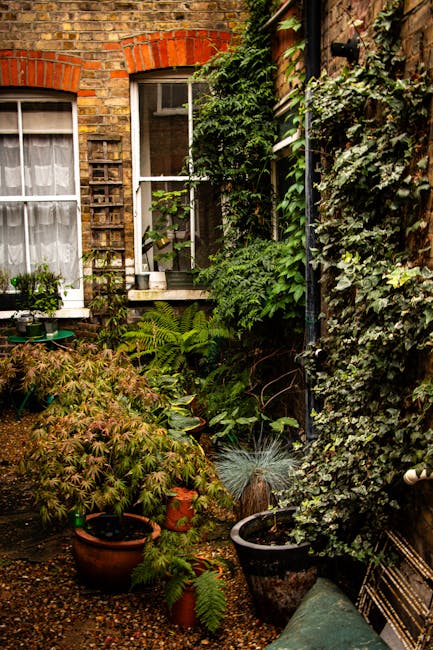
Stoke Newington N16 Gardeners Chatsworth Road Garden Repairs: Practical Local Help for Tired, Damaged, and Overlooked Gardens
If your garden on or near Chatsworth Road has started to look a bit worn out, you are not alone. Broken fencing, uneven paving, sinking beds, damaged decking, patchy lawns, and tired planting can creep up slowly. Then one wet week later, everything feels like it needs sorting at once. That is where Stoke Newington N16 gardeners Chatsworth Road garden repairs come in: not as a flashy makeover, but as calm, practical work that makes a garden safe, usable, and pleasant again.
In a busy London setting, repair work often matters more than grand redesigns. A small fix can stop water pooling, protect timber from rot, improve access, or simply make the space feel cared for again. This guide walks through what garden repairs usually involve, how the process works, what to watch out for, and when it makes sense to bring in experienced help. It is written for real gardens, real budgets, and real life. No fluff, no nonsense.
Why Stoke Newington N16 gardeners Chatsworth Road garden repairs Matters
Garden repairs are easy to put off. A loose trellis looks minor, a cracked slab can wait, and a sagging fence panel is somehow always "fine for now". But gardens age in awkward ways. Water gets in. Timber softens. Soil shifts. Plants overgrow edges. And what begins as a small issue can turn into a bigger one, especially after winter rain or a run of windy days.
For homes around Chatsworth Road, repair work matters for three big reasons: safety, usability, and appearance. A trip hazard on a path is not just annoying. It changes how you use the space. A broken gate or fence reduces privacy. A rotting sleeper or wobbly deck step can make the whole garden feel neglected. To be fair, most people notice the problem long before they do anything about it.
There is also a practical London angle. In tighter gardens, every metre counts. If one part of the garden is damaged, that usually affects how the rest functions. A broken boundary can let pets escape. A clogged drain edge can flood a seating area. A failing lawn border can make mowing awkward, messy, and more expensive to keep on top of.
Repairs also protect the value of the wider garden. You do not need a full redesign to improve kerb appeal or day-to-day enjoyment. Often, a well-planned repair schedule achieves more than a full overhaul, because it gives structure back to the space. That is especially true in established areas where gardens have good bones but need attention.
Practical takeaway: if a garden is safe, drained properly, and structurally sound, everything else becomes easier to manage. The repairs usually pay you back in time, peace of mind, and less ongoing hassle.
How Stoke Newington N16 gardeners Chatsworth Road garden repairs Works
Good repair work starts with assessment, not tools. A proper visit should identify what is actually failing, what is just cosmetic, and what needs urgent attention. Some problems are obvious, like a cracked paving stone or collapsed panel. Others are hiding in plain sight. A patch of soft timber, a slightly leaning post, or a bed wall that has started to bow can tell you a lot once you look closely.
From there, the work usually falls into one of a few categories:
- Structural repairs such as fence posts, sleepers, retaining edges, gates, steps, or decking supports.
- Surface repairs such as paving resets, re-pointing, replacing broken slabs, or levelling compacted areas.
- Functional repairs such as re-hanging gates, improving drainage, clearing blocked edges, or restoring access paths.
- Planting-area repairs such as rebuilding raised beds, replacing soil, pruning damaged growth, or fixing borders.
Sometimes the job is simple and immediate. Sometimes it is better to break the work into stages. For example, if a fence is failing because the ground is soggy, replacing the panel alone will not solve the issue. The posts, soil level, and drainage may need attention too. This is where experience matters; otherwise, you end up paying twice. Nobody wants that.
For homeowners who already use garden maintenance, repair work often slots neatly into routine upkeep. That is a sensible approach because many repairs are easier to manage before they become emergencies. Likewise, if a garden has become cluttered with old materials, broken pots, or storm debris, garden clearance may be the first step before repairs can even begin.
In practice, the work is usually organised around the garden's current condition and the way you use it. A family garden needs safe paths and secure boundaries. A rental property might need durable, low-maintenance fixes. A courtyard space may need precise, tidy work because there is nowhere to hide a bad repair. Honest planning makes all the difference.
Key Benefits and Practical Advantages
Repairing a garden is rarely just about "making it look nice". It tends to have practical spillover benefits that people only appreciate once the job is done. You notice it when the lawn is easier to mow, the gate closes properly without a fight, and you are no longer stepping around that one awkward slab every morning.
- Improved safety: fewer trip hazards, loose boards, or unstable edges.
- Better drainage: water moves more sensibly, reducing puddles and damp zones.
- Longer material life: early repairs can extend the life of fencing, decking, timber, and masonry.
- Cleaner appearance: the whole garden feels more looked after, even before any planting changes.
- Lower ongoing effort: well-repaired spaces are easier to maintain through the seasons.
- More usable space: a repaired border, path, or deck changes how confidently you use the garden.
There is also a quiet mental benefit. A broken garden edge or sinking path is one of those things that sits in the back of your mind every time you walk past it. Once it is fixed, the place feels lighter. Simple as that.
When repairs are paired with broader upgrades, the results can be even better. For example, a damaged seating area might be repaired as part of a wider landscaping job, or tired timber features can be improved alongside decking services. If hedges are blocking light or damaging fence lines, hedge trimming may also help prevent repeat problems.
Who This Is For and When It Makes Sense
This kind of work is for anyone with a garden that has stopped functioning as it should. That includes homeowners, landlords, tenants with permission to report issues, property managers, and anyone trying to keep an outdoor space in decent shape without going straight into a full redesign.
It makes sense when you notice one or more of these signs:
- Fence posts are leaning or wobbling.
- Decking boards feel soft, slippery, or loose.
- Garden paths are cracked, uneven, or lifting.
- Raised beds are bowing, rotting, or collapsing at the corners.
- Lawns are patchy because edges, drainage, or soil levels are off.
- Gates no longer close properly.
- Tree roots, overgrowth, or storm damage have created secondary problems.
It also makes sense after seasonal disruption. Winter often exposes weak points. A strong wind might not destroy a garden, but it can reveal what was already close to failure. By early spring, many people can see the full list clearly. That is a good time to act, because repairs are usually easier before heavy growth or heat makes the job more complicated.
For larger or more tired gardens, it may be sensible to combine repairs with broader support such as lawn mowing for recovery, or tree lopping and removal where branches, deadwood, or root pressure are contributing to the damage. Not every job needs that, of course, but it is worth checking rather than guessing.
Step-by-Step Guidance
If you are planning repairs and want to avoid wasted effort, the best approach is calm and methodical. Rushing usually leads to poor patch jobs. Here is a sensible order of operations.
- Walk the garden slowly. Look at edges, corners, gates, steps, drainage lines, and any area that holds water.
- Separate cosmetic issues from structural ones. A faded stain is not the same as a failing board.
- Make a priority list. Safety first, then access, then appearance.
- Check what is causing the damage. Is it age, moisture, movement in the soil, shading, overgrowth, or poor installation?
- Decide what can be repaired and what should be replaced. Small defects can often be fixed, but some materials have simply reached the end of the road.
- Clear the work area. Remove pots, toys, furniture, loose compost bags, and anything that will slow the job.
- Complete the repair with proper finishing. This might mean sanding, sealing, repainting, levelling, or compacting.
- Plan maintenance after the fix. A repaired garden still needs looking after, otherwise the same issue will creep back.
A useful rule: if the repair looks easy but the cause is unclear, pause and inspect again. The visible damage is often not the real problem. That is especially true with timber and paving, where water and movement can hide underneath for months.
If the job is more involved, it can help to speak with a team that offers broader support and can explain the options clearly. You can learn more about the wider range of help on the services overview page, or check practical details such as pricing and quotes before deciding what to prioritise.
Expert Tips for Better Results
Over the years, one thing becomes obvious: a repair lasts longer when you fix the cause, not just the symptom. That sounds obvious, but let's face it, people are often tempted by the quickest visible fix.
Here are a few things that usually improve the result:
- Use materials that match the existing structure. Mixing incompatible timber, fixings, or finishes can shorten the life of the repair.
- Check levels before fastening anything down. A small slope or twist can become a much bigger problem once the weather changes.
- Allow for drainage. Garden repairs near walls, beds, and decking should not trap water.
- Protect edges and cut surfaces. Fresh cuts on timber, sleepers, or boards should be sealed or treated where appropriate.
- Keep planting in mind. Roots, shade, and overgrowth can undermine the best repair if they are ignored.
- Work with the season. Some repairs are easier in drier conditions; others can wait until the soil settles.
One small but important point: if a repair needs access through a narrow side return, keep the path clear before the work starts. People often underestimate how much time gets lost moving bags, tools, and rubble through a tight space. It sounds trivial. It is not.
Another practical insight: if you are repairing a garden that also needs routine upkeep, try to bundle the work. For example, mowing, pruning, and edging can make defects easier to see, which helps the repair team work more accurately. A tidy garden is easier to diagnose. Simple, but true.
Common Mistakes to Avoid
Most garden repair headaches come from a short list of avoidable mistakes. The good news? Once you know them, you can steer clear without much drama.
- Covering up the problem: painting over rot, tilting slabs back into place, or hiding damage under mulch does not solve anything.
- Ignoring drainage: if water is the cause, the same damage will return.
- Replacing one part of a failing system: a new panel in a rotten fence line may look good for a month, then fail again.
- Choosing appearance over durability: the nicest-looking fix is not always the best long-term fix.
- Skipping surface prep: repairs stick better when the base is clean, stable, and dry enough for the task.
- Overplanting straight after repair: giving the structure a little breathing room often helps it settle properly.
There is also the classic "I'll just sort that myself at the weekend" problem. Sometimes that works. Sometimes the weekend becomes three weekends, and the garden starts hosting a half-finished project that makes everyone sigh when they look at it. We have all seen it.
Another mistake is underestimating how one small issue links to another. A rotten gate post might look like a simple carpentry fix, but if the surrounding soil is soft and the hedge is pushing in, you are dealing with a systems problem, not a one-piece repair.
Tools, Resources and Recommendations
The right tools depend on the job, but certain basics come up again and again in serious garden repair work. Even if you are not doing the repair yourself, it helps to understand what a good team will likely use and why.
| Repair area | Common tools/materials | What to look for |
|---|---|---|
| Fence and gate repairs | Posts, brackets, screws, post supports, spirit level, treated timber | Solid footing, straight lines, corrosion-resistant fixings |
| Decking repairs | Replacement boards, joist checks, driver tools, sealant, anti-slip care | No flex, no soft spots, proper spacing for drainage |
| Paving and path repairs | Lift tools, bedding mix, levelling tools, jointing materials | Even surface, safe edges, no rocking slabs |
| Raised beds and borders | Sleepers, retaining fixings, compost, edging tools | Stable structure, good drainage, tidy finish |
| Garden recovery after clearance | Rakes, loppers, waste bags, soil improvers, pruning tools | Clean base, manageable layout, sensible next steps |
As for recommendations, start with the basics: a good visual inspection, a realistic budget, and a clear idea of what "finished" should look like. If you need a more complete service picture, the pages on landscape gardening and landscaping are useful for understanding how repairs may sit alongside redesign or improvement work. And if the site has become crowded with clippings, old containers, or damaged materials, garden clearance is often the cleanest starting point.
One more thing worth saying: ask how waste will be handled. Reputable gardeners should be able to explain disposal and recycling sensibly. If sustainability matters to you, the site's recycling and sustainability page is a good place to understand that approach.
Law, Compliance, Standards, or Best Practice
For most garden repairs, the main concern is safe, sensible workmanship rather than anything highly regulated. That said, there are still standards and duties worth respecting. In the UK, property owners and contractors are expected to avoid unsafe conditions, and work should be carried out with proper care, especially where access, height, cutting tools, or structural elements are involved.
Best practice usually includes:
- Checking that repair work does not create new trip hazards or unstable surfaces.
- Using materials suitable for outdoor exposure and wet weather.
- Making sure fixings, posts, and supports are secure enough for the load they carry.
- Keeping walkways reasonably clear while work is underway.
- Handling green waste and broken materials responsibly.
If the repair involves larger structures, sharp tools, elevated work, or tree-related hazards, it is wise to use a team that takes health and safety seriously and can explain their approach to insurance and safety. That matters more than many people realise. If something goes wrong, clarity and proper cover are not "nice to have". They are essential.
It is also sensible to understand service terms before work starts. The pages on terms and conditions and payment and security help set expectations around how work is arranged and paid for. No one enjoys the paperwork bit, but it can save a headache later.
Options, Methods, or Comparison Table
Not every garden defect needs the same fix. In fact, choosing the wrong method is one of the quickest ways to waste money. Here is a simple comparison to help you think clearly.
| Approach | Best for | Pros | Limitations |
|---|---|---|---|
| Spot repair | One-off issues like a single broken board or loose slab | Quick, economical, minimal disruption | May not solve wider causes such as movement or moisture |
| Section repair | Damaged fence runs, deck sections, or border lengths | More durable than patching, good value for repeat issues | Needs careful matching and planning |
| Full replacement | Severe rot, collapse, or repeated failure | Reliable long-term outcome | Higher cost and more disruption |
| Repair plus maintenance | Gardens needing both fixes and ongoing care | Best for long-term condition and consistency | Requires a broader plan and regular attention |
As a rule of thumb, if the same part of the garden keeps failing, the smarter option is often a section repair or rebuild rather than another patch. You want the fix to last through rain, frost, and everyday wear, not just look decent on day one.
For some clients, the best path is a blended one: repair the broken elements, then move into routine upkeep such as lawn mowing and seasonal care. That tends to keep costs sensible while preventing the place from sliding back into disrepair.
Case Study or Real-World Example
Here is a realistic example, based on the kind of work that comes up often in Stoke Newington.
A small rear garden had three issues at once: a loose gate, two uneven slabs near the back door, and a leaning timber border around a planting bed. At first glance, the homeowner thought the gate was the main problem. But once the area was checked properly, it became clear that soil movement and water run-off were affecting all three faults. The slab edge was dipping because water had been sitting nearby after rain. The timber border had softened where damp soil stayed in contact with it. And the gate post had shifted because the surrounding ground was no longer firm enough to support it properly.
Instead of doing three isolated fixes, the work was grouped. The area was cleared, the ground condition was checked, the slab bed was corrected, the border was rebuilt with better drainage in mind, and the gate support was reset. The result was not dramatic in a glossy-magazine way. But the garden became easier to use, safer to walk through, and far less annoying in day-to-day life. Which, frankly, is what most people actually want.
A small detail stood out afterward: the homeowner said the garden sounded different. Less wobble, less creak, less clatter underfoot. That kind of thing stays with you. It tells you the space has been properly steadied, not just tidied up.
Practical Checklist
Use this checklist before booking repairs or starting work. It keeps the process grounded and helps you avoid paying for the same issue twice.
- Have I identified the damaged areas clearly?
- Do I know whether the problem is structural, surface-level, or caused by drainage?
- Have I checked for signs of rot, movement, or overgrowth?
- Is the area clear enough for work to begin safely?
- Do I need clearance before repairs, or can the repair happen first?
- Would maintenance help prevent the same issue from returning?
- Have I thought about nearby features that might also need attention?
- Do I understand the likely finish I want: repair, section rebuild, or full replacement?
- Have I checked practical details like safety, insurance, and payment terms?
- Will the repaired area still drain, open, close, or function properly after the work is done?
If you can answer most of those questions, you are in a strong position to move ahead. If not, that is fine too. It simply means the site needs a bit more looking at before anybody picks up a tool.
Conclusion
Stoke Newington N16 gardeners Chatsworth Road garden repairs are really about restoring confidence in the space. A repaired garden feels easier to live with. It is safer, cleaner, more resilient, and less likely to throw up the same annoying problem every few weeks. And because gardens in London often have tight access, mixed materials, and weather wear all working against them, repair work needs a thoughtful hand.
The best results come from good diagnosis, sensible materials, tidy workmanship, and a realistic plan for follow-up maintenance. Keep an eye on the cause, not just the surface. That is where the value is. And if a garden needs more than one fix, grouping the work can be far more efficient than tackling it piecemeal. Truth be told, that is usually the less stressful route too.
If you are weighing up what to fix first, start with the parts that affect safety, access, and drainage. Everything else becomes easier after that. A garden does not need to be perfect to feel good. It just needs to work properly and be cared for well.
Get a free quote today and see how much you can save.
Sometimes the smallest repair is the one that brings the whole garden back into balance. Quietly, but properly.
Frequently Asked Questions
What do Stoke Newington N16 gardeners Chatsworth Road garden repairs usually include?
They often include fence repairs, gate adjustments, paving fixes, decking repairs, raised bed restoration, border rebuilding, drainage improvements, and general outdoor repairs that make the garden safer and easier to use.
How do I know if my garden needs repair rather than just maintenance?
If something is broken, unstable, leaking, sinking, rotting, or creating a safety issue, it is usually a repair job. Maintenance is more about keeping healthy features in good shape before they fail.
Can small garden repairs be done without a full redesign?
Yes, absolutely. In many cases, a focused repair is the smartest option. You do not need to redesign the whole garden just because one section has failed.
Is it worth repairing an old fence or should it be replaced?
It depends on the condition of the posts, panels, and surrounding ground. If the damage is localised, repair can be sensible. If rot or movement is widespread, replacement may be better value long term.
How long do garden repairs normally take?
Smaller repairs may take a few hours, while more involved work can take longer depending on access, weather, materials, and whether related issues like drainage or clearance need attention first.
Do I need to clear the garden before repairs start?
It helps a lot. Clear access makes the work quicker and reduces the chance of damage to furniture, pots, or plants. If the garden is heavily cluttered, clearance may come first.
What are the most common repair problems in London gardens?
Common issues include rotting timber, leaning fences, damaged slabs, poor drainage, tired decking, compacted soil, and overgrown planting that puts pressure on structures.
How can I make sure the repair lasts?
Fix the cause as well as the visible damage, use suitable materials, check drainage, and keep up with follow-up maintenance. That combination usually gives the best result.
Should I combine repairs with maintenance work?
Often, yes. Bundling repairs with mowing, trimming, or seasonal upkeep can be more efficient and helps the repaired areas stay in good condition afterwards.
Are garden repair services suitable for rental properties?
Yes. Rental gardens often benefit from durable, low-fuss repairs that reduce ongoing complaints and make the outdoor space easier for tenants to use responsibly.
What should I ask before booking a garden repair job?
Ask what is causing the damage, what the recommended fix is, whether the work is repair or replacement, how waste will be handled, and what the service terms and payment expectations are.
Where can I learn more about related garden services?
You can review broader service information on the services overview page, or explore specific options such as garden maintenance and landscape gardening if your garden needs more than one type of improvement.